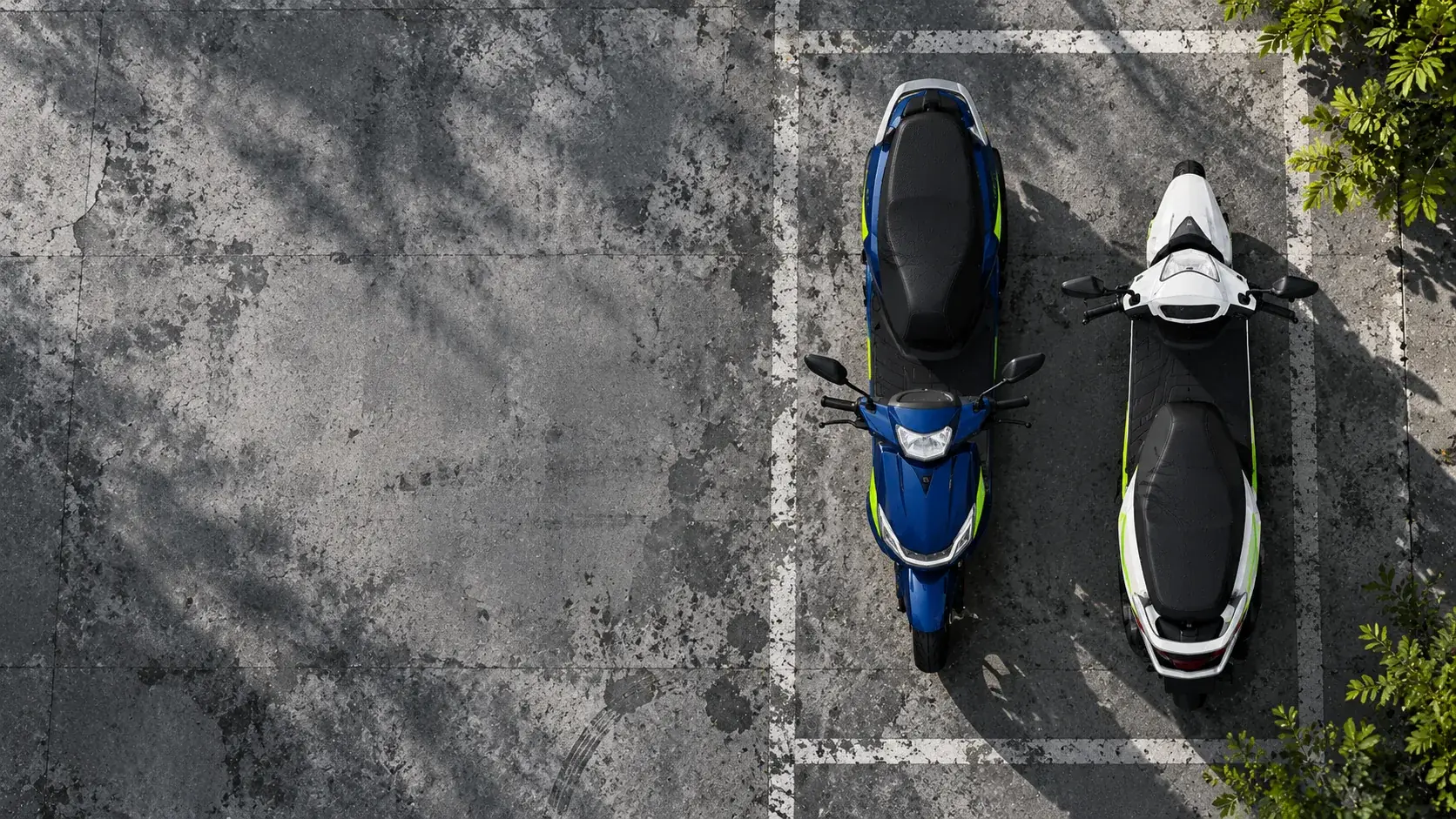
Walk down any colony lane in Delhi NCR at eight in the morning and you will hear it, or rather, you won’t. The quiet hum of an electric scooty slipping past the milk van, the school gate and the vegetable cart. It is not a fashion statement. It is a household decision, and it comes down to three things: simple maths, less paperwork, and batteries people can finally trust.
Chapter 01Why the switch is happening now
Most Indian two-wheeler trips are short and local. Home to tuition, hostel to college, colony gate to market, a delivery round inside one sector. For a 5 to 40 km day, a fast, heavy, petrol scooter is mostly overhead: fuel, servicing, oil changes and paperwork you pay for but rarely need.
Electric two-wheelers have moved into the mainstream: national registrations crossed one million units in the first half of 2026 alone. And the loudest reason is the fuel bill.

The maths: rupees per kilometre
On 15 October 2026 a litre of petrol cost ₹102.12 in Delhi. A typical petrol scooter gets around 45 km from that litre, which works out to about ₹2.27 for every kilometre you ride.
A low-speed electric scooter takes about 2 units of electricity for a full charge from an ordinary home socket. Delhi’s domestic tariff runs from about ₹3 a unit in the lowest slab to ₹8 in the highest, so a full charge costs roughly ₹6 to ₹16. Spread over a 60 to 70 km charge, that is ₹0.09 to ₹0.23 per kilometre: around ten times less.
| Petrol scooter | Electric scooty | |
|---|---|---|
| Energy price | ₹102.12 / litre | ₹3 to ₹8 / unit |
| Per kilometre | about ₹2.27 | about ₹0.09 to ₹0.23 |
| 1,000 km a month | about ₹2,270 | about ₹90 to ₹230 |
| Engine oil, filters, tune-ups | Regular | None (no engine) |
Your own numbers will differ, so try them:
Your numbers
Every year you would spend
You keep ₹26,037 a year2.27 ₹/km on petrol vs 0.23 ₹/km on electricity
Fuel and electricity only. Assumes 2 units per 70 km charge; real use varies with load, speed and weather. Servicing, insurance and battery are not included.
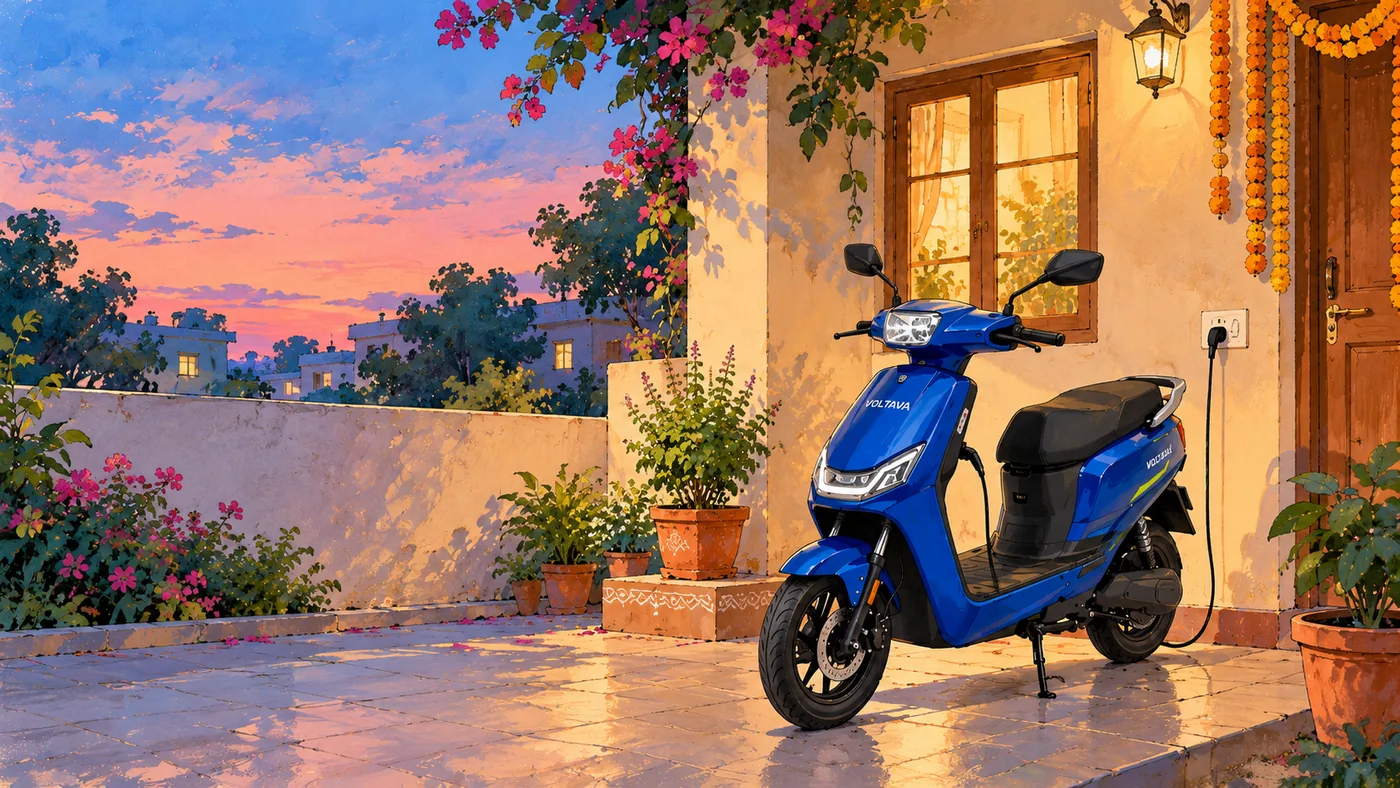
No licence, no RTO, if it is truly low-speed
India treats very light, slow electric two-wheelers differently. Under CMVR Rule 2(u), a scooter whose top speed is capped at 25 km/h and whose motor is rated at 250 W or less is not a “motor vehicle”. That single line removes most of the paperwork.
- 25 km/h maximum design speed
- 250 W maximum rated motor power
- 16+ riders can use certified models
No driving licence, no registration or number plate, no road tax. That is why students, homemakers, senior citizens and first-time riders love the segment.
Check the certificate, not the sticker. A scooter only qualifies if that exact model is certified by ARAI or ICAT as a low-speed vehicle. Some scooters sold as “no licence” are faster than 25 km/h or carry bigger motors, and then the rider is the one who is breaking the law. Ask for the certificate copy, and wear a helmet regardless.

Built for the trips we actually take
Motorcycles were bought for highways and gear-shifting. The electric scooty wins on the street outside your house. An electric motor gives full pull from a standstill, with no clutch, no gears and no engine noise: twist and glide through traffic. The step-through floor, the light handling and far fewer moving parts mean one scooter can serve the whole family, and the shop.
One scooter, many jobs: college in the morning, groceries at noon, deliveries until dusk.
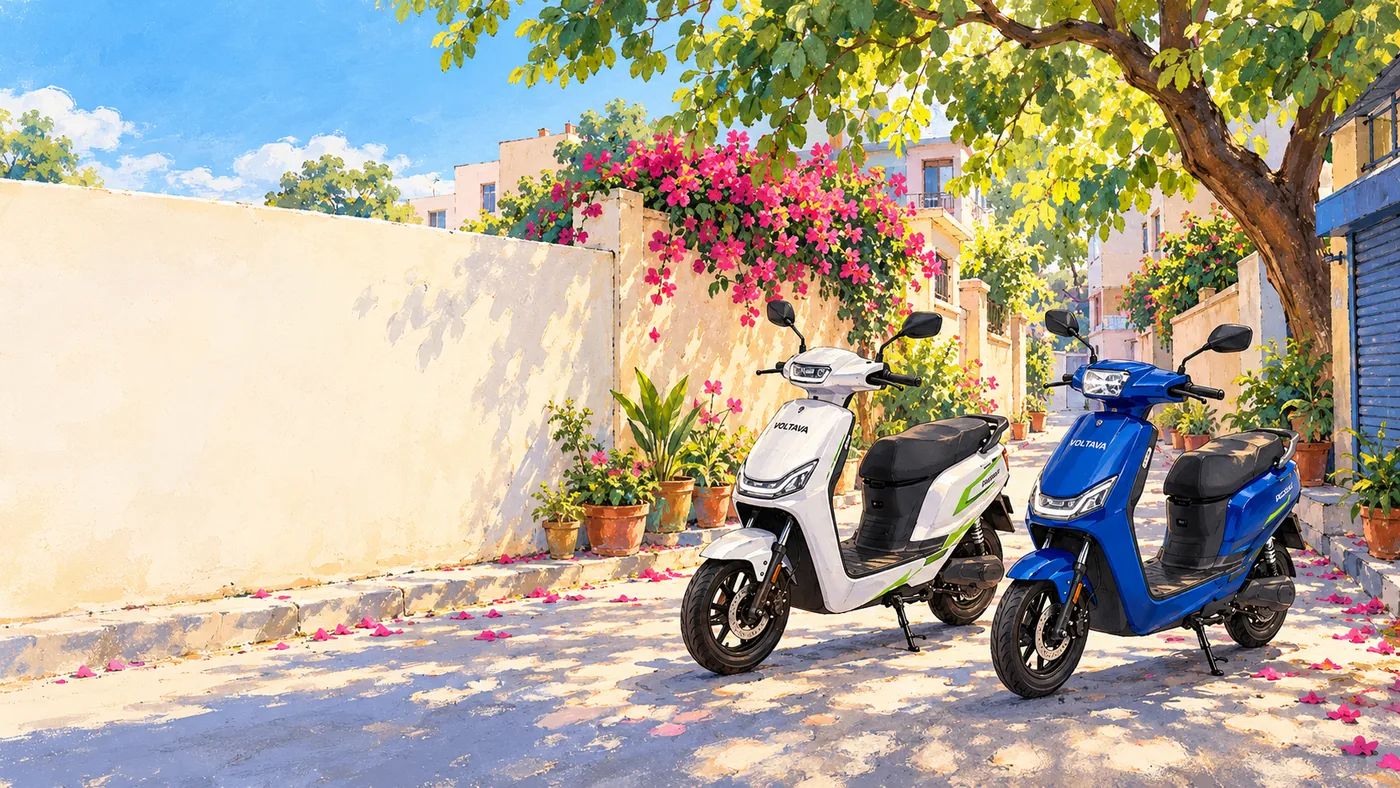
That is how we designed the Voltava line-up, one model for each way Indian streets move:
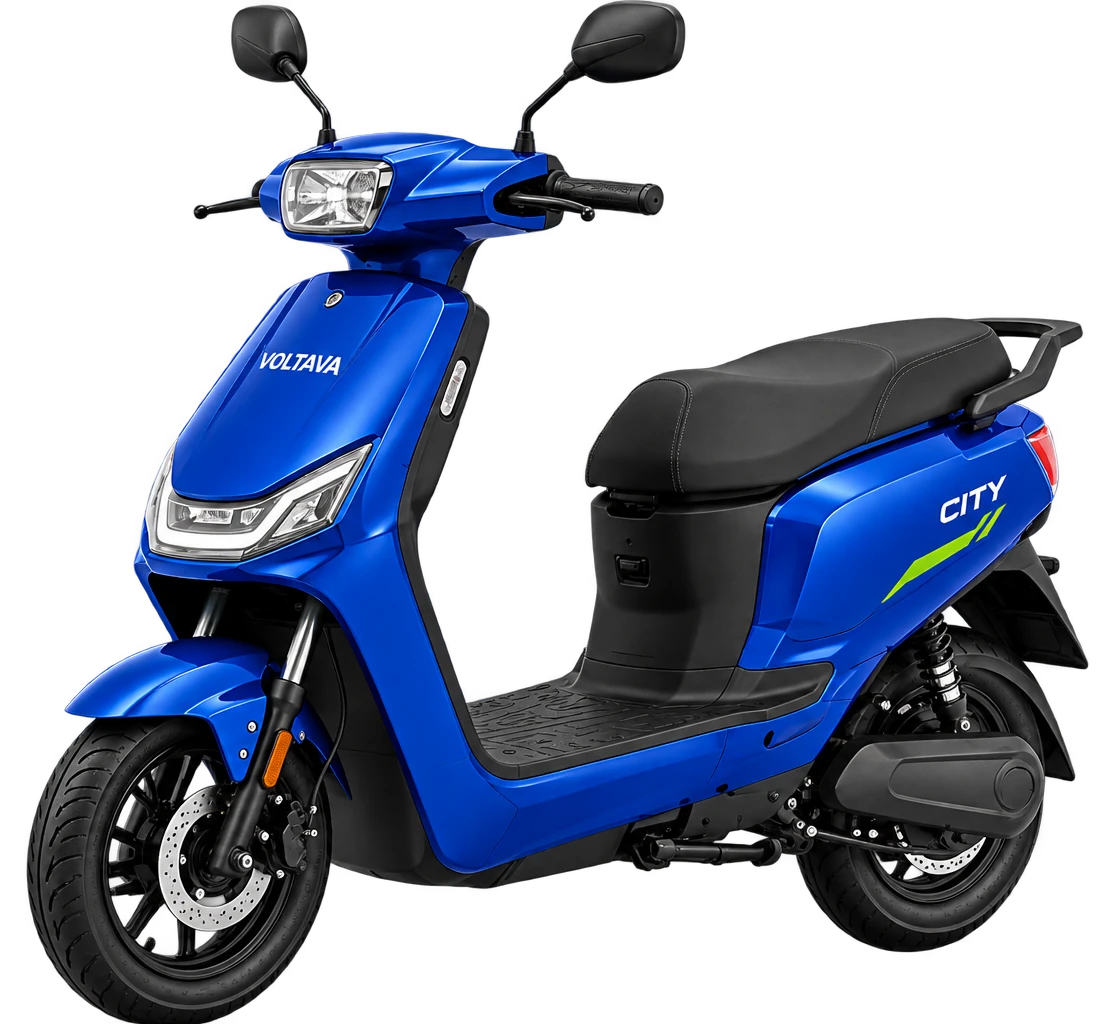 Voltava CITY Daily commute
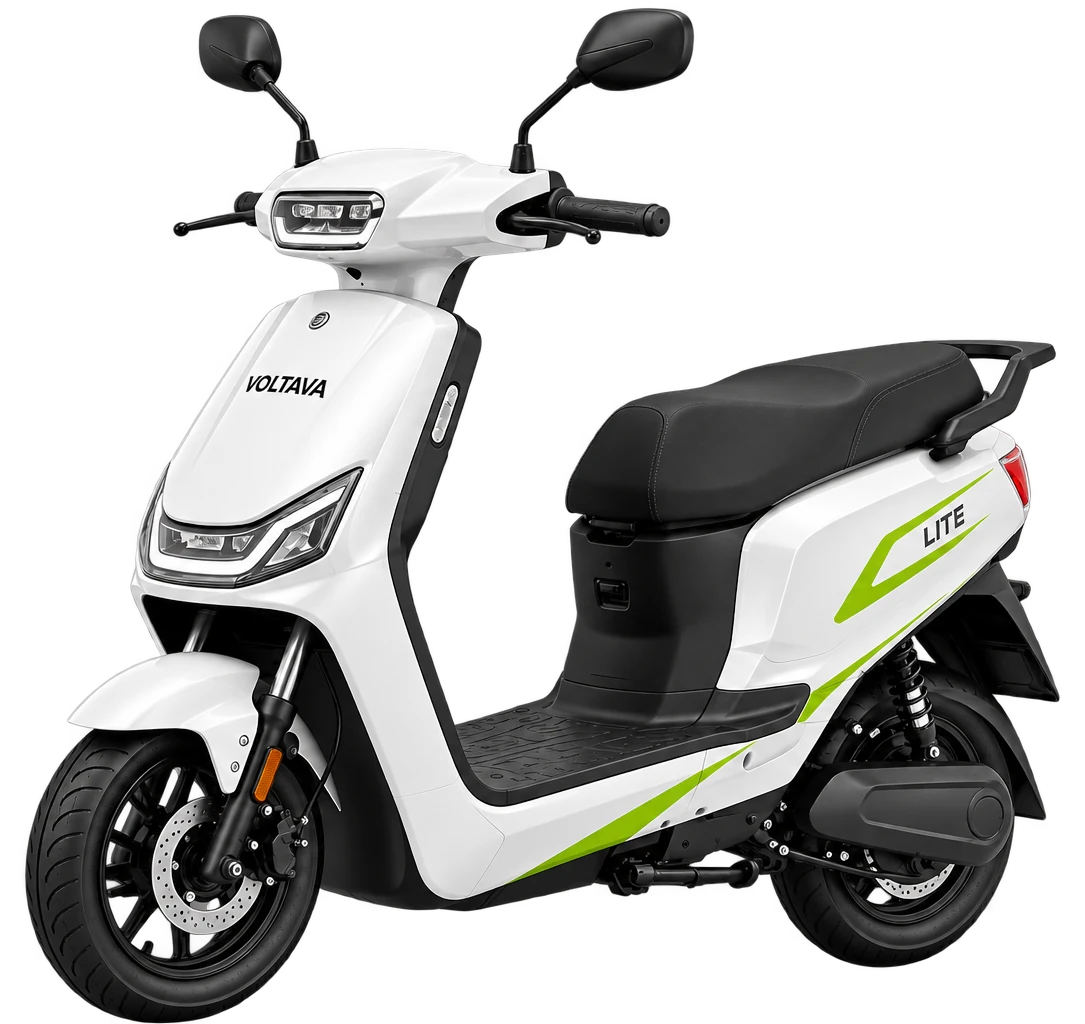 Voltava LITE Easy everyday riding
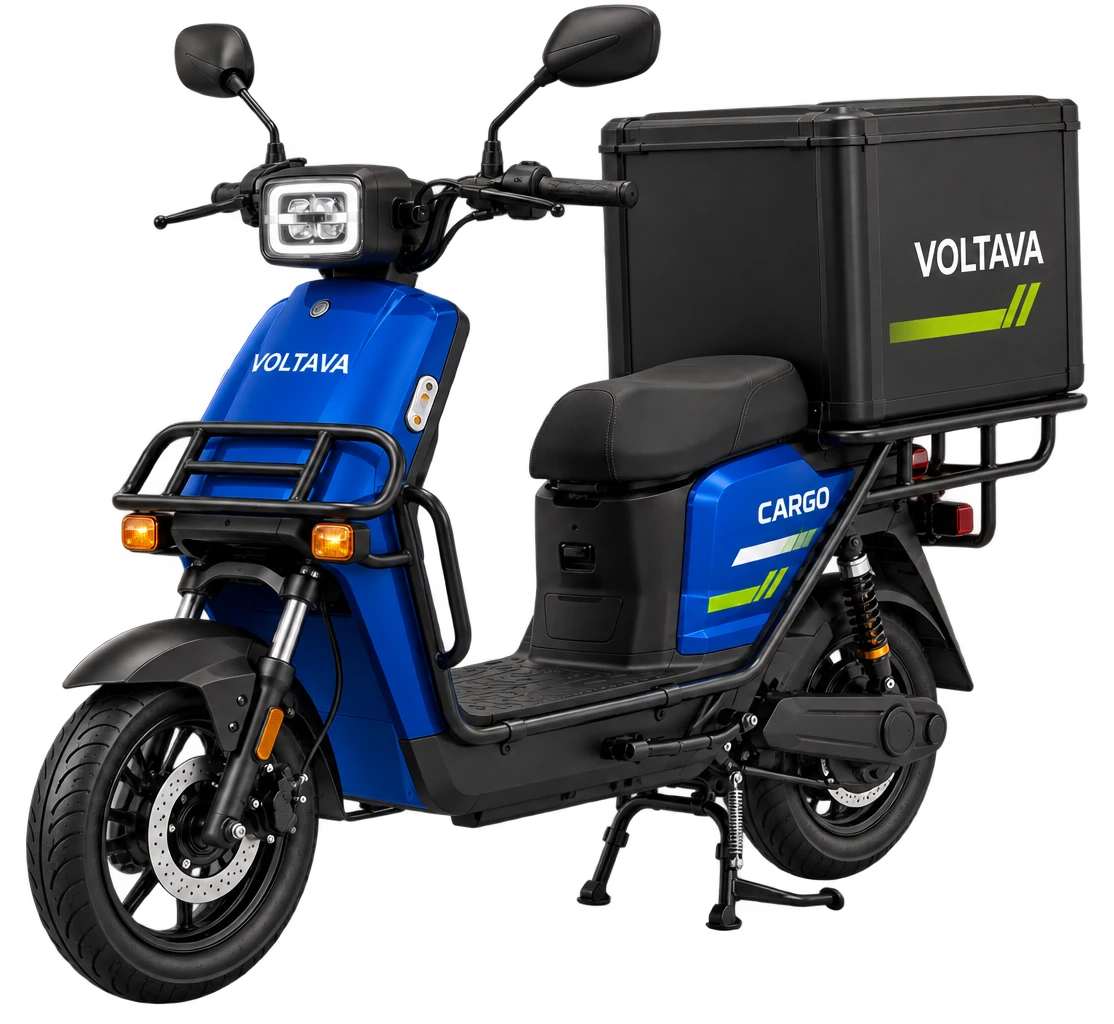 Voltava CARGO Daily deliveries
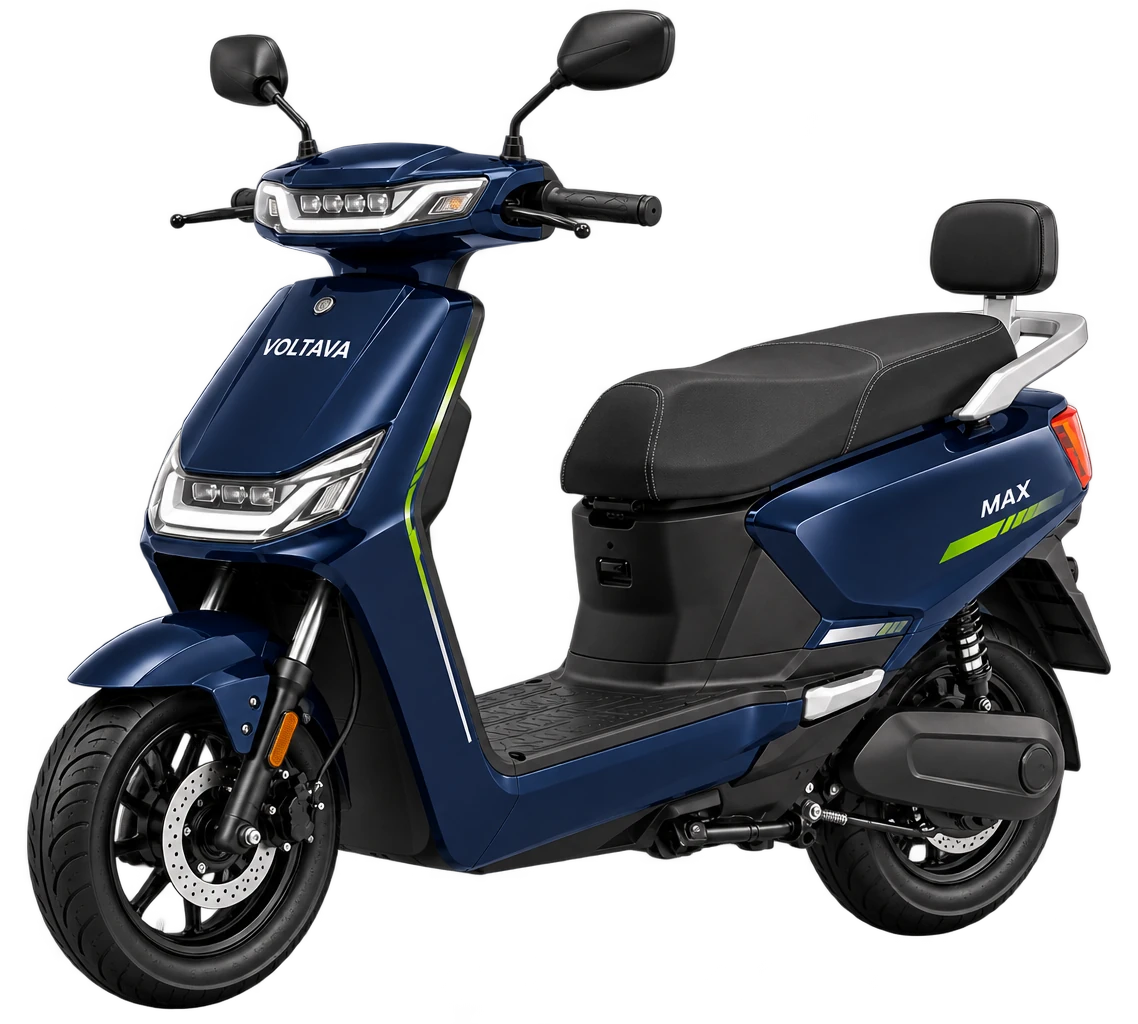 Voltava MAX Comfortable rides
The real question: the battery
Once the price makes sense, smart buyers look past the paint and ask what is inside. India is hard on batteries: 45°C summers, monsoon water, dust, voltage swings and broken roads. After a run of battery fires in 2022, the government tightened the rules. The AIS-156 standard now asks for safer cells, a proper battery management system, charger protection and a warning if a battery starts to overheat. Its requirements came into force in two phases, in December 2022 and March 2023.
At the heart of all of it is the battery management system (BMS): the electronics that watch every cell’s voltage, current and temperature, keep the cells balanced so the pack lasts longer, and cut the power the moment something is unsafe.

This is where Voltava comes from. We did not start by assembling scooter panels. Voltava Energy Systems in Delhi NCR designs battery management systems, chargers and energy-storage electronics: BMS rated from -20°C to 70°C, with over-voltage, under-voltage, over-current, over-temperature and short-circuit protection, and AIS-156 as the compliance target. The CITY, LITE, CARGO and MAX grow out of that work. We are, quite literally, battery people.
Chapter 06Five questions before you buy any electric scooty
- Is this exact model certified? Low-speed (ARAI/ICAT certificate) or a registered scooter: know which one you are buying.
- Is the battery pack AIS-156 approved? Ask to see the approval, not just the brochure.
- What does the BMS protect against? Over-charge, deep discharge, over-current, short circuit and heat, with a temperature range that suits your city.
- How is it charged? Charger rating, charging time, and whether a normal home socket is enough.
- What is the battery warranty, and who services it? Years, kilometres, and a service point near you.
Specifications, range and launch pricing for the Voltava line-up will be shared at launch. If you would like to feel one first, book a test ride or message us on WhatsApp at +91 92176 67723.